
Discovering McMillian Mesa: Flagstaff’s Timeless Crossroads
If you’ve ever driven along Turquoise Drive or wandered the verdant trails near Buffalo Park, you’ve likely set foot in the cherished neighborhood of McMillian Mesa. Nestled just north of downtown Flagstaff, McMillian Mesa is more than a highland pass or a collection of homes; it’s a living chronicle of the area’s rugged heritage, a pivotal greenway, and a gathering place for generations.
Origins: The Mesa in Flagstaff’s Early Days
Long before modern subdivisions or the echo of passing trains, McMillian Mesa was a defining geological feature for native peoples and early settlers. The name “McMillian” itself is a vestige of early 20th-century Flagstaff, most likely credited to the McMillian family, who were among the region’s early ranchers and pioneers. Oral histories often point to their homestead on the mesa’s southern slopes, where wide-open grasslands once met ponderosa pine forests—an intersection that made the mesa an appealing spot for early ranching and livestock drives.
Rails, Ranchers, and the Rise of a Neighborhood
By the 1880s, Flagstaff had found its footing as a railroad and lumber hub. McMillian Mesa, with its panoramic view of Mount Elden and the San Francisco Peaks, stood just beyond the bustle of downtown. As the Rio de Flag cut through its canyons, the mesa became a favored grazing area, and enterprising settlers, including the McMillian family, sought to build roots.
Over the decades, roads like Gemini Drive and Lockett Road connected the mesa to the rest of Flagstaff. The mesa’s gentle slopes proved a natural divide and connector: a buffer between burgeoning neighborhoods like Sunnyside to the east and the cultural district of downtown Flagstaff to the west.
Landmarks: Buffalo Park and Beyond
One of the most beloved aspects of McMillian Mesa is Buffalo Park, occupying a broad swath of the mesa’s summit. Originally part of a city initiative in the 1960s, this sprawling public space once housed a live herd of buffalo, echoing the area’s ranching past. Today, Buffalo Park is central to community life: the starting point of the famous 2-mile loop trail, a site for festivals, and a favorite for stargazers and sunrise walkers. Its entrance at North Gemini Drive is a gateway to all the serenity the mesa offers.
Nearby, the Arizona Trail—an 800-mile path stretching from Mexico to Utah—crosses parts of the mesa, drawing hikers and bikers from across the country. The park’s view finds symmetry with the far-off peaks, a reminder that McMillian Mesa is always at the heart of Flagstaff’s natural splendor.
In addition, the City of Flagstaff’s public works yard and the historic McMillan Homestead site (later incorporated into parkland) are tangible reminders of the landscape’s continuous use and reinvention.
A Community in Constant Conversation
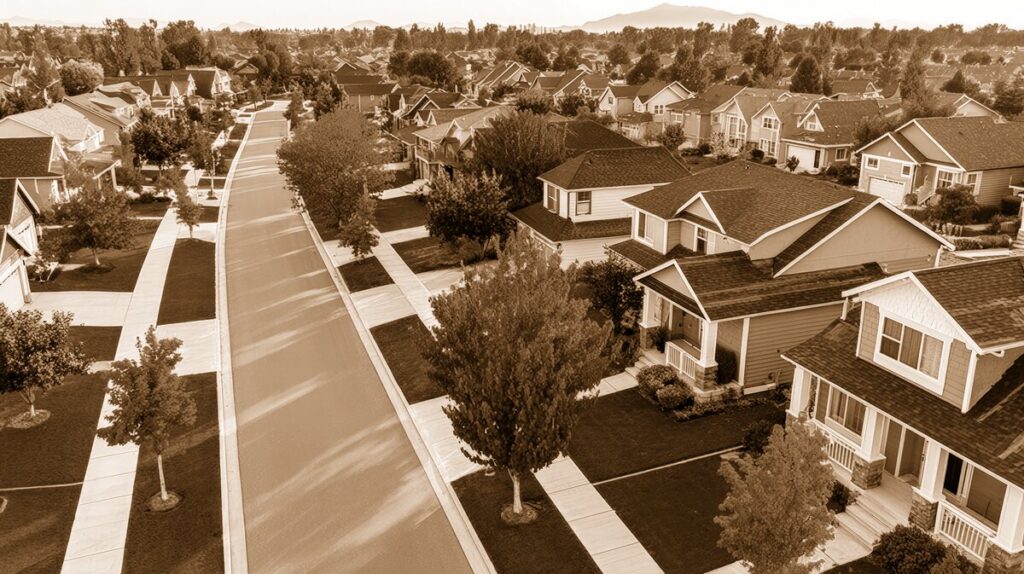
McMillian Mesa is not just a scenic plateau; it’s a narrative in motion. Through the years, the neighborhoods branching from the mesa’s edge—along Turquoise Drive and N. Switzer Canyon Drive—have reflected Flagstaff’s blend of old and new. Modest ranch-style homes and modern townhouses intermingle with student housing, as Northern Arizona University’s influence steadily grows.
Recent decades have seen robust conversations about land use and conservation. Residents have rallied to preserve open space from development, inspired by the mesa’s wildlife corridors and expansive vistas. Today, efforts to keep McMillian Mesa wild at heart are part of a broader city-wide commitment to sustainability and community character.
Stories Set in Stone—and Trails
The heritage of McMillian Mesa is told in more than landmarks and streets; it lives in the everyday rituals of those who call it home:
- Neighborhood picnics beneath Buffalo Park’s old stone ramada.
- Cross-country runners celebrating the first snow of winter with a chilly morning circuit.
- Families catching Fourth of July fireworks from the mesa’s high ground.
Local lore tells of kids exploring hidden gulches and sledding down the mesa’s snowy flanks, just as their parents and grandparents once did. With every new layer of residents, McMillian Mesa reshapes its collective memory, inviting newcomers to become part of its ongoing story.
Looking Ahead: Preservation and Progress
As Flagstaff faces the pull between growth and heritage, McMillian Mesa stands as a testament to balance. Its open spaces and enduring landmarks invite connection while echoing the voices of those who came before.
Today, initiatives led by the City of Flagstaff and local organizations aim to protect the mesa’s trails and ecology, safeguard its panoramic parks, and ensure that future generations can experience the same sense of place that defines McMillian Mesa. Streets like Lockett Road, with their patchwork quilt of old and new homes, remind us that heritage is both preserved and created, every single day.
Why McMillian Mesa Matters
Whether you come to watch elk graze at dusk, to join a summer concert at Buffalo Park, or to trace the footsteps of Flagstaff’s earliest settlers, McMillian Mesa reveals something rare: a neighborhood defined as much by its people and their stories as by its land. Here, Flagstaff’s history isn’t just remembered—it’s lived, shared, and cherished, one sunrise and neighborly wave at a time.